The Weight of the Mask | Men’s Mental Health & Healing
The Weight of the Mask: How Pretending to Be Okay Slowly Destroys You
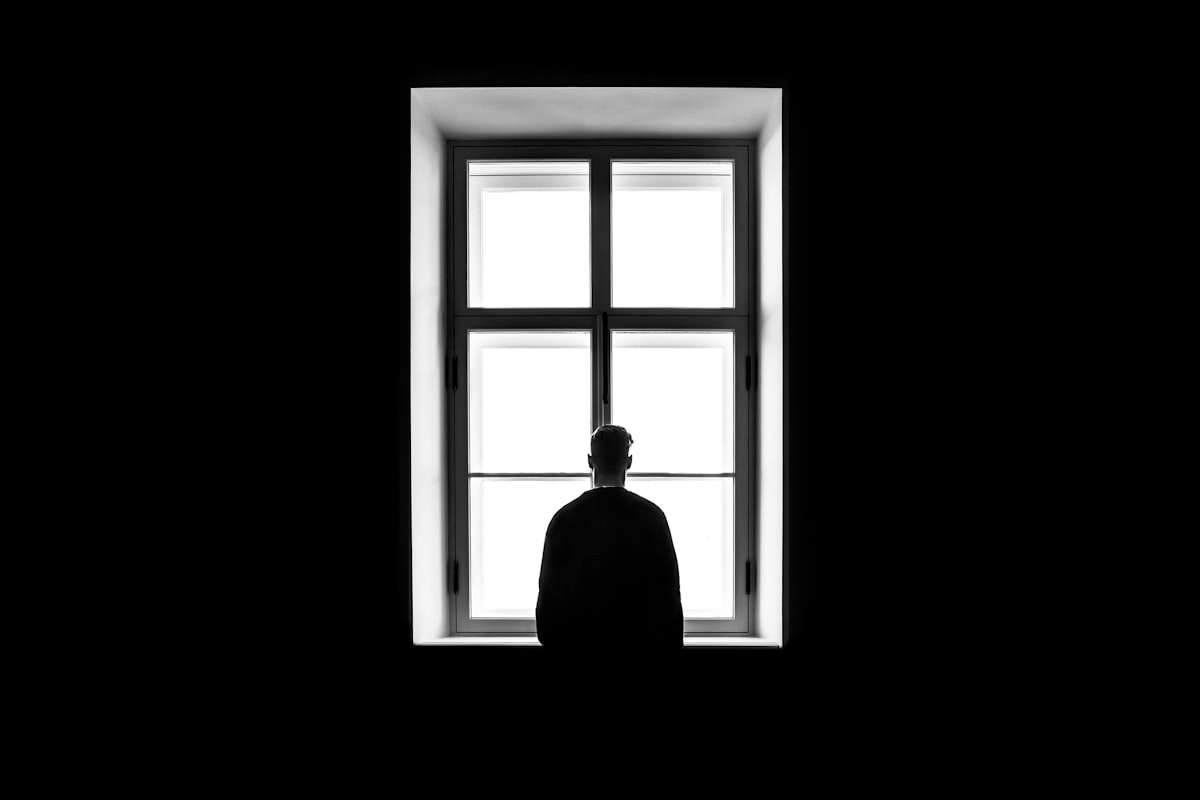
“I’m fine.” Two simple words that have become the most common lie we tell ourselves — and each other.
For many of us, especially men, pretending to be okay has become second nature. We’ve learned to keep a straight face, to smile through pain, and to bury emotions deep enough that even we forget where they are. But over time, that mask we wear — the one we think protects us — begins to suffocate the very parts of us that make us human.
The Mask We Learn to Wear
From the time we’re young, we’re told things like “don’t cry,” “man up,” or “be strong.” What starts as advice quickly becomes identity. We learn that showing emotion equals weakness, and that silence equals strength. So we build walls — not to keep others out, but to survive in a world that seems uncomfortable with vulnerability.
But here’s the truth: that emotional mask doesn’t protect us. It isolates us. It keeps people from seeing who we really are and stops us from understanding ourselves. Over time, the mask becomes heavy. We forget what it feels like to be authentic — to laugh freely, to cry without shame, to admit we’re not okay.
We build walls to protect ourselves, only to realize we’ve trapped ourselves inside.
The Emotional Cost of Pretending
Pretending to be okay takes energy — more than we realize. It’s like holding your breath for years, hoping no one notices you’re suffocating. Every forced smile and casual “I’m fine” chips away at your emotional reserves until all that’s left is exhaustion.
The truth is, emotional masking comes with a cost. It drains our mental health, distances us from the people who care about us, and feeds the quiet loneliness that keeps us awake at night. It numbs us — not just from pain, but from joy too.
I remember a time when I felt disconnected even in a room full of people I loved. I smiled, laughed, and played the part, but inside I felt completely unseen. That’s what pretending does — it creates a gap between the life we show the world and the life we actually live.
Suppressing emotions doesn’t make us strong; it makes us silent sufferers.

When the Mask Starts to Crack
Eventually, the mask breaks. It always does. Maybe it’s during burnout, heartbreak, or one of those quiet nights when the silence gets too loud. The moment comes when pretending stops working — when the truth forces its way to the surface.
That breaking point isn’t failure; it’s freedom. It’s your inner self saying, “I can’t carry this anymore.” When your mask cracks, it’s not a sign of weakness — it’s the beginning of healing. It means the real you is trying to breathe again.
When a mask cracks, it doesn’t mean you’re breaking down — it means the real you is trying to breathe.
The Courage to Take It Off
Taking off the mask is one of the bravest things you’ll ever do. Vulnerability isn’t about losing control — it’s about gaining it back. When you let people see your real self — the fear, the pain, the uncertainty — you open the door to genuine connection and healing.
We often think others won’t understand, but more often than not, they’re wearing masks too. The moment you’re honest, you give permission for others to do the same. That’s how real connection begins — through honesty, not perfection.
There’s strength in tears, courage in confession, and freedom in being real.

The Freedom of Being Seen
Taking off the mask doesn’t happen overnight. It’s a gradual process — one small act of honesty at a time. It might start with telling someone, “I’m not okay.” It might mean journaling your thoughts, seeing a therapist, or simply allowing yourself to feel without judgment.
Healing begins with permission — the permission to be human again. The more you embrace your truth, the lighter life feels. You stop performing and start living.
Maybe true strength isn’t in how much we can hide, but in how much we can reveal. Maybe being “okay” isn’t about being happy all the time, but being honest enough to say when we’re not.
Maybe healing begins not with fixing ourselves, but with finally allowing ourselves to be seen — unmasked, unfiltered, and real.
If this post resonated with you:
- Take a quiet moment to check in with yourself — no distractions, no pretending.
- Write down how you truly feel today, without filtering or judgment.
- Share your story with someone you trust. You never know who needs to hear that they’re not alone.
If you found this helpful, explore more posts about men’s mental health, vulnerability, and emotional healing on my blog. Together, we can redefine what real strength means.

Comments
Post a Comment